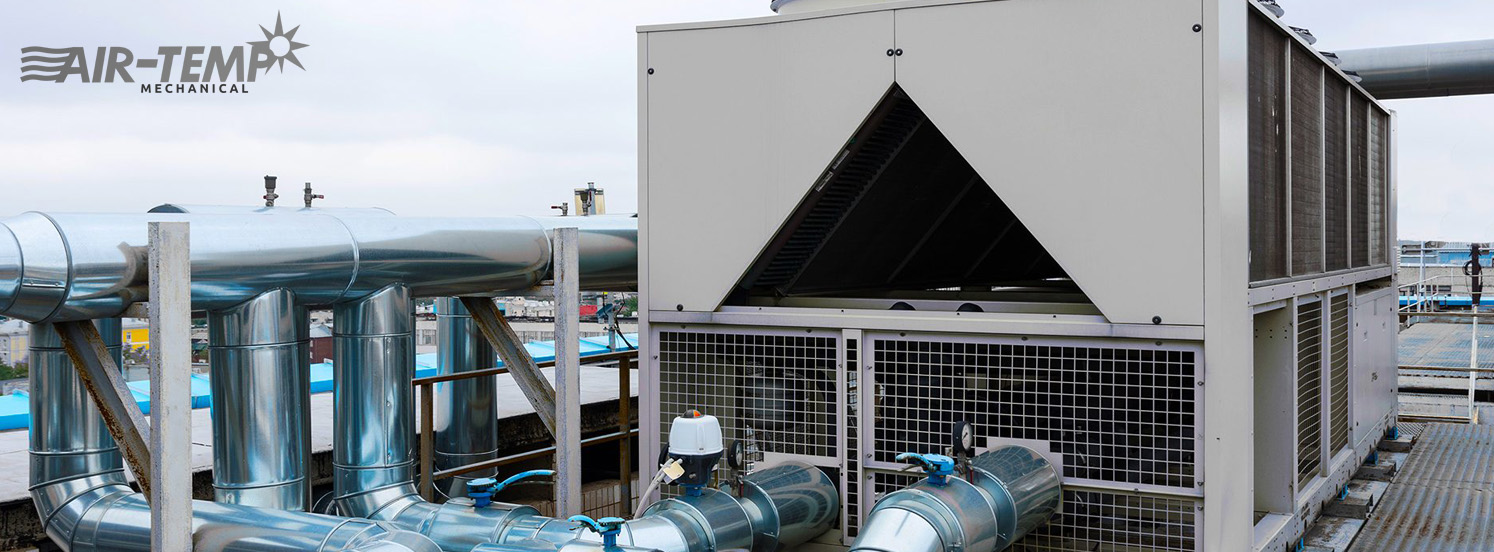
The purpose of energy efficient commercial HVAC systems is to provide heating, ventilation, and air conditioning (HVAC) to buildings while minimizing energy consumption and costs. These systems use advanced technology and design features to reduce energy usage, which can help reduce energy bills and reduce the overall carbon footprint of the building.
Energy efficient HVAC systems can help to improve the comfort and indoor air quality of a building, while also reducing the environmental impact of the building’s energy use. They can be particularly useful in commercial and industrial buildings, which often have large HVAC systems that are responsible for a significant portion of the building’s energy consumption.
By reducing energy consumption, energy efficient HVAC systems can also help to reduce the overall demand for energy and contribute to a more sustainable and environmentally friendly future.
- Proper maintenance and cleaning of HVAC systems: Proper maintenance of HVAC systems can help ensure that they are running efficiently, which can help reduce energy costs. This can include regular cleaning of the system, including the filters, coils, and other components, as well as performing regular inspections to identify and fix any potential issues.
- Upgrading to energy-efficient equipment: Upgrading to energy-efficient HVAC equipment, such as high-efficiency air conditioners and furnaces, can help reduce energy costs. These systems are designed to use less energy to heat and cool buildings, which can significantly reduce energy bills.
- Implementing energy-saving controls: There are various types of controls that can be implemented to help reduce energy consumption in commercial HVAC systems. For example, occupancy sensors can turn off HVAC systems when a room is unoccupied, and programmable thermostats can be set to automatically adjust the temperature based on the time of day and expected occupancy.
- Using natural ventilation: In some cases, it may be possible to use natural ventilation to help cool buildings, which can reduce the need for HVAC systems. For example, opening windows or using ceiling fans can help circulate air and reduce the need for air conditioning.
- Implementing a building management system: A building management system (BMS) is a computer-based system that monitors and controls the various systems in a building, including the HVAC system. By using a BMS, it is possible to optimize the operation of the HVAC system to reduce energy consumption and costs.