Commercial HVAC (Heating, Ventilation, and Air Conditioning) systems play a pivotal role in maintaining optimal working conditions within businesses and industrial spaces. These systems are designed not only to regulate temperature but also to ensure air quality, comfort, and energy efficiency. Understanding the nuances of commercial HVAC systems, their components, costs, and efficiency factors is crucial for businesses aiming to create a comfortable environment while minimizing operational expenses. We offer service in Cleveland, Akron, Canton, and the greater Cleveland area.
- Understanding Commercial HVAC Systems:
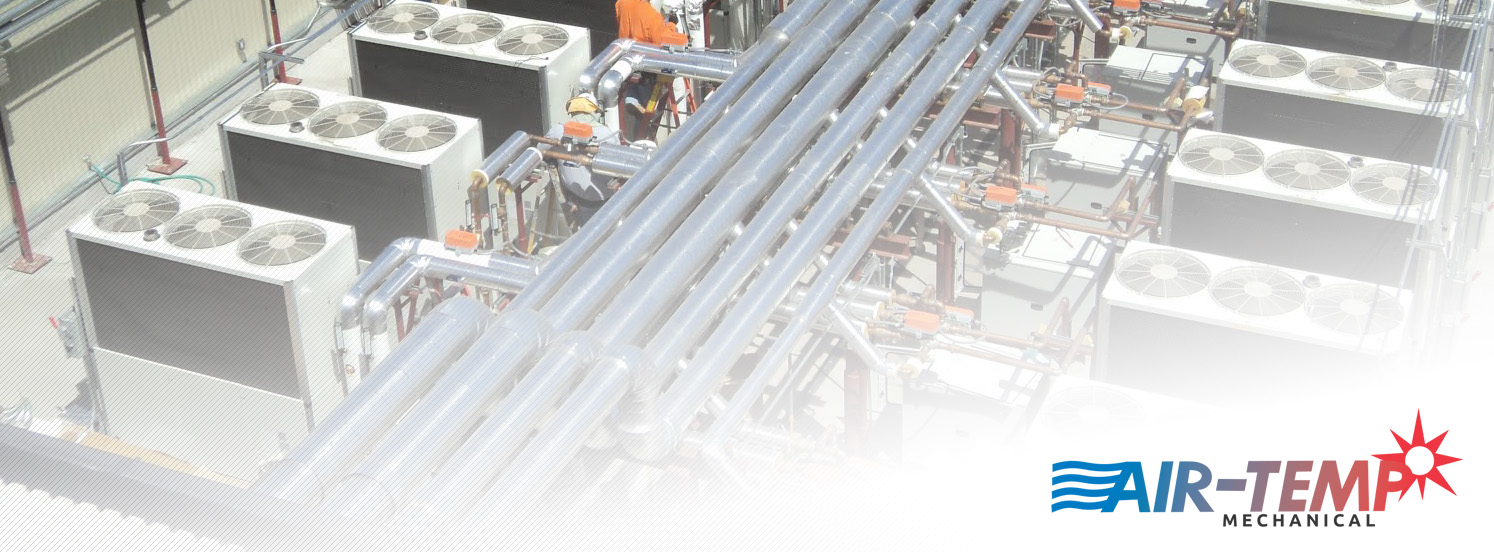
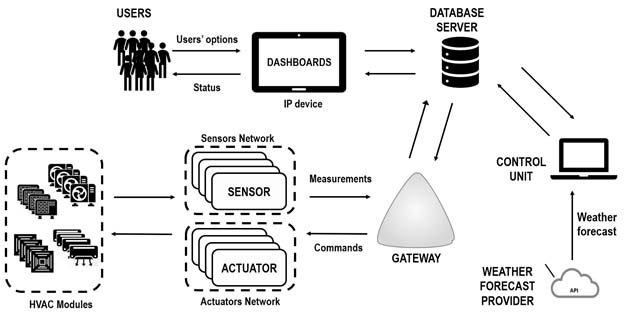
Components: A typical commercial HVAC system consists of various components such as furnaces, air conditioning units, heat pumps, ductwork, thermostats, ventilation systems, and controls. Each component serves a specific function in maintaining indoor climate control.
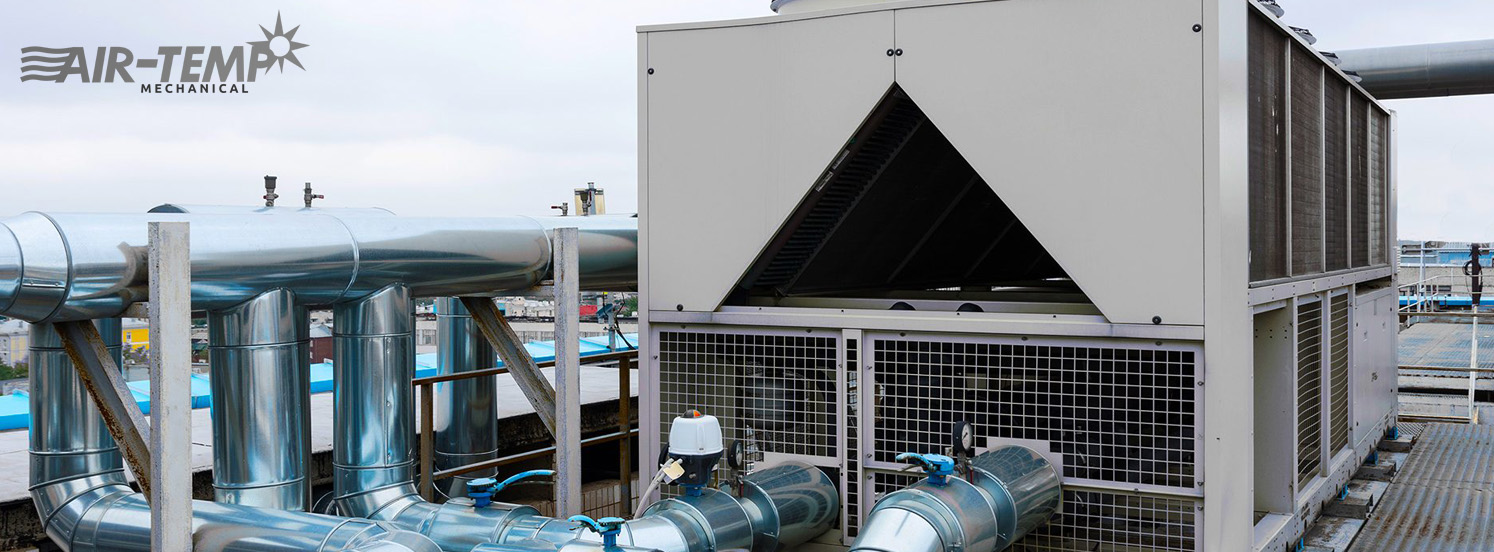
Types of Systems: The choice of HVAC system depends on the specific needs of the business. Common types include single-split systems, multi-split systems, Variable Refrigerant Flow (VRF) systems, rooftop units, and chilled water systems.
Importance of Maintenance: Regular maintenance is essential to ensure the longevity and efficiency of HVAC systems. Scheduled inspections, cleaning, and timely repairs help prevent breakdowns and optimize performance. - Factors Affecting Commercial HVAC Costs:
System Size and Capacity: The size of the HVAC system required depends on the square footage of the commercial space, insulation, and specific heating and cooling needs. Oversized or undersized systems can lead to inefficiencies and increased costs.
Energy Efficiency: Energy-efficient systems might have a higher initial cost but offer long-term savings through reduced energy consumption. Look for systems with high SEER (Seasonal Energy Efficiency Ratio) or EER (Energy Efficiency Ratio) ratings.
Installation Complexity: Factors like the building layout, ductwork installation, and accessibility can impact installation costs. Retrofitting older buildings for HVAC installation might require additional modifications, affecting overall expenses.
Maintenance and Repairs: Over time, maintenance costs including filter replacements, repairs, and component upgrades contribute to the total cost of ownership. - Cost Analysis of Commercial HVAC Systems:
Initial Costs: On average, the cost of installing a commercial HVAC system can range from $6,000 to $12,000 per ton of cooling capacity. For a 50,000 square feet facility, the initial cost can be upwards of $50,000 to $150,000.
Operating Costs: Annual operating costs for a commercial HVAC system typically range from $1.50 to $2.50 per square foot. For larger spaces, this could equate to tens of thousands of dollars annually.
Return on Investment (ROI): Investing in high-efficiency systems may result in higher upfront costs but can yield substantial savings in energy bills over the system’s lifespan. Calculating the payback period helps evaluate the ROI of energy-efficient upgrades. - Strategies for Maximizing Efficiency and Savings:
Programmable Thermostats: Utilize programmable thermostats to control temperature settings based on occupancy and working hours, reducing unnecessary energy consumption during off-hours.
Regular Maintenance: Implement a preventive maintenance plan to ensure optimal performance, extend the lifespan of equipment, and minimize unexpected repair costs.
Energy-Efficient Upgrades: Consider upgrading to energy-efficient components like high-efficiency HVAC units, variable speed motors, or implementing zoning systems to optimize energy usage in different areas of the building.
Cleveland Commercial HVAC systems are indispensable for maintaining comfortable and conducive working environments. Understanding the costs, efficiency factors, and maintenance requirements can aid businesses in making informed decisions that balance initial investments with long-term savings. By prioritizing energy efficiency, regular maintenance, and strategic upgrades, businesses can optimize their HVAC systems for both comfort and cost-effectiveness, contributing to a more sustainable and productive workspace.